What Is Aseptic Packaging? A Dairy Producer's Guide
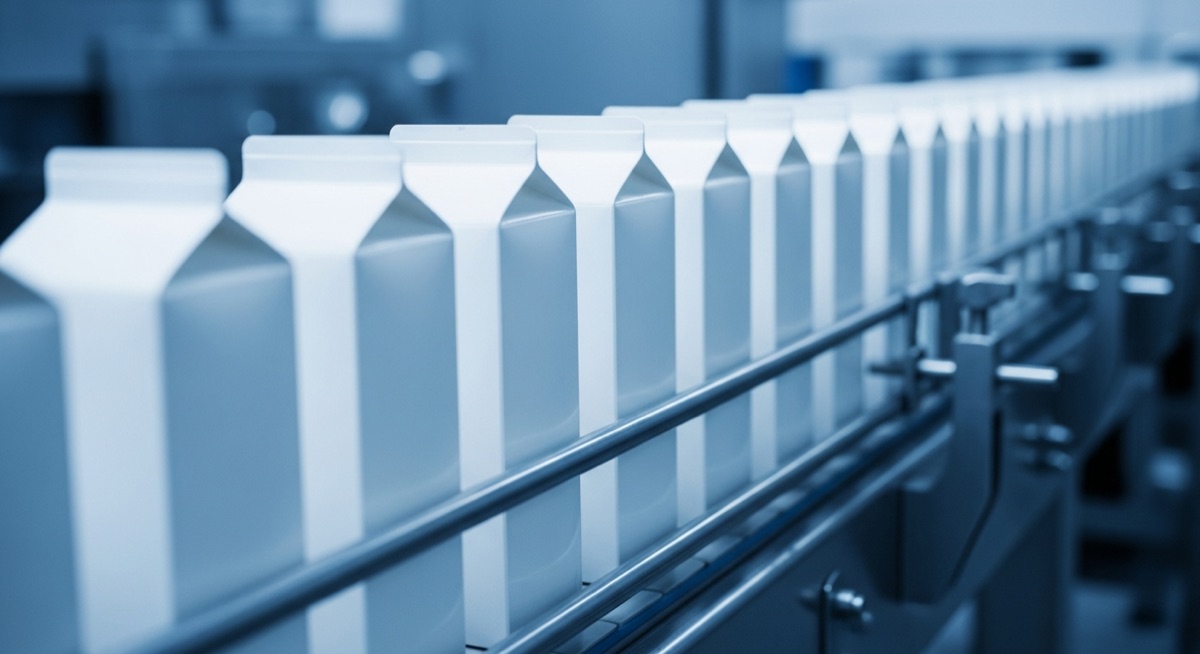
Aseptic packaging sterilizes the product and the package separately, then fills in a sterile environment — giving dairy products 6–12 months of ambient shelf life without refrigeration.
Practical knowledge for dairy producers and procurement teams sourcing packaging materials and processing lines across the MENA region and beyond.
The NISSA INTERNATIONAL blog publishes in-depth guides, technology explainers and sourcing perspectives drawn from two decades of connecting dairy producers with packaging suppliers and processing equipment manufacturers across the Middle East, North Africa and beyond. Each article is written to be genuinely useful — no filler, no jargon for its own sake.
Aseptic packaging sterilizes the product and the package separately, then fills in a sterile environment — giving dairy products 6–12 months of ambient shelf life without refrigeration.
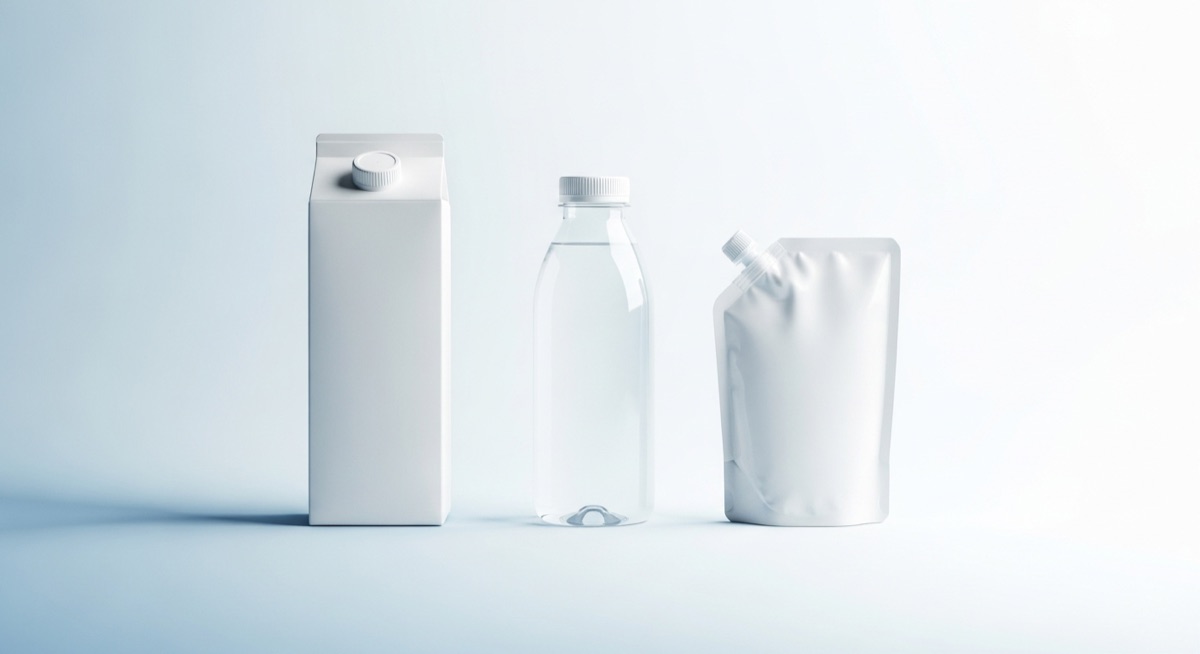
A format-by-format comparison of the main milk packaging options — shelf life, barrier, cost, sustainability and branding — to help dairy producers make the right sourcing decision.
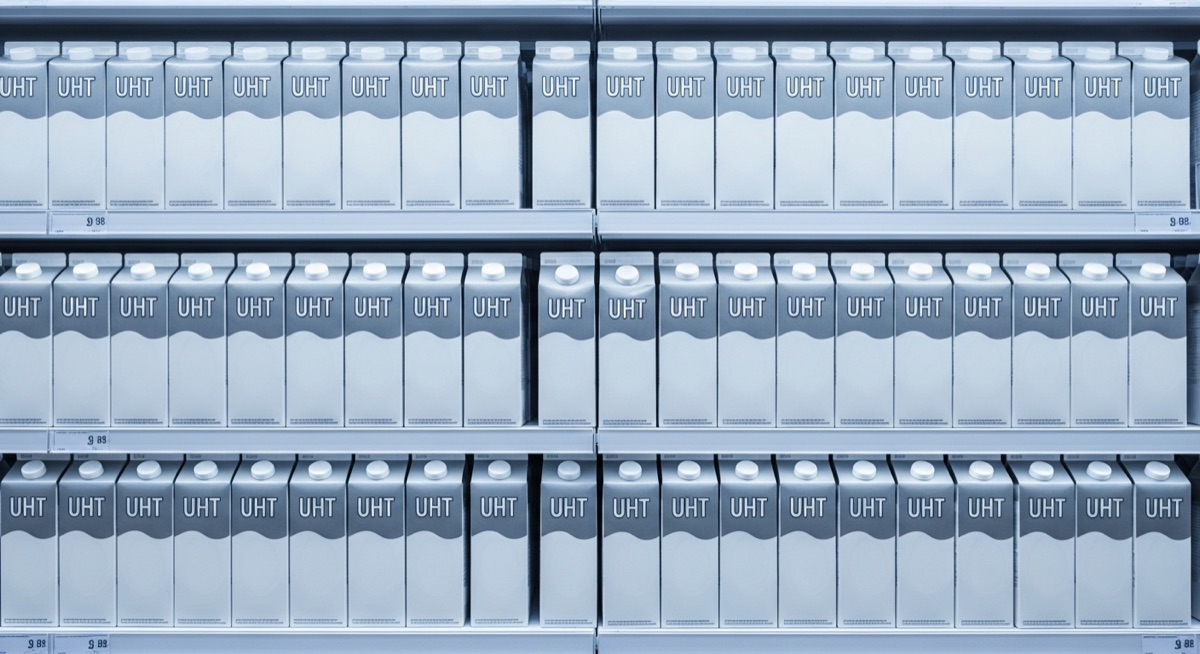
UHT and fresh milk packaging differ fundamentally in heat treatment, sterility requirements and shelf life — this guide explains the trade-offs and helps dairy producers choose the right route for their market.
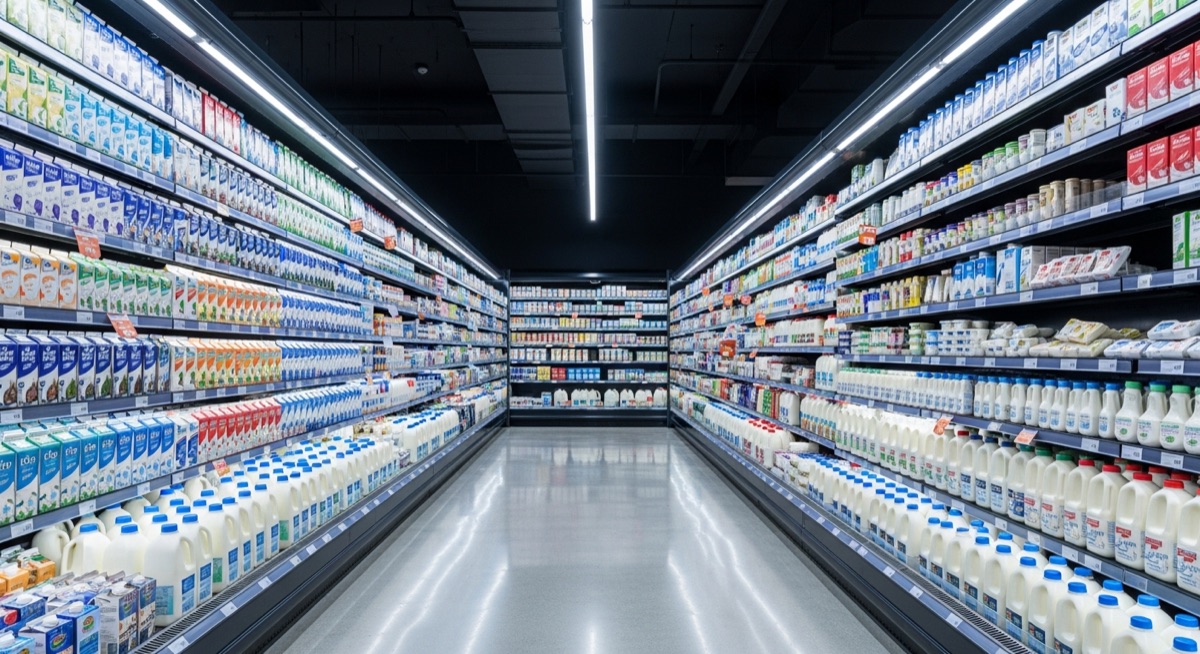
The MENA dairy packaging market is among the fastest-growing in the world — driven by population growth, local production investment and structural preference for ambient formats.
From recyclable cartons and lightweighting to plant-based films, a practical guide to the real options — and real trade-offs — for dairy producers pursuing more sustainable packaging.

Capacity, material compatibility, qualification, total cost of ownership and supplier reliability — a structured checklist for dairy producers sourcing a UHT filling line in the MENA market.